Torsion Springs vs. Extension Springs: Understanding the Difference
The Springs That Make or Break Your Garage Door
Your garage door springs are the hardest-working components of your entire garage door system. They lift hundreds of pounds thousands of times, counterbalancing the weight of your door so your opener doesn't have to do all the work. When they fail—and eventually they will—your door becomes inoperable and potentially dangerous.
But here's what most homeowners don't know: there are two fundamentally different types of garage door springs, and the difference between them affects everything from safety to cost to how long your system will last.
Torsion Springs: The Modern Standard
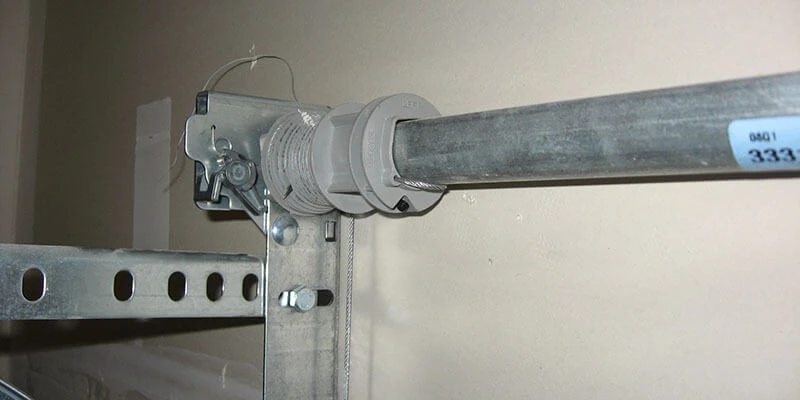
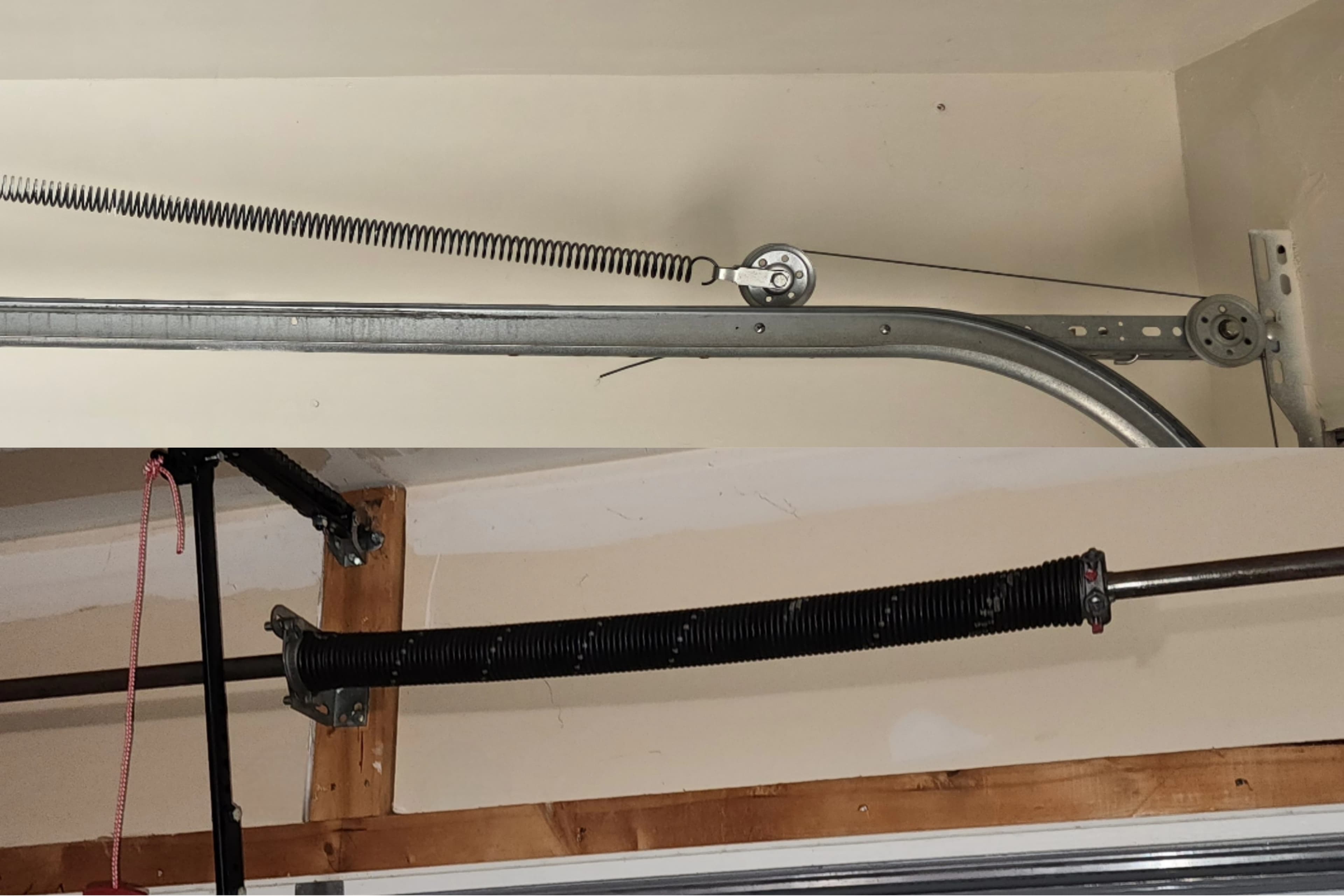
Torsion springs are mounted on a metal shaft directly above your garage door opening. When you close your door, these springs wind up, storing energy. When you open the door, they unwind, helping lift the weight.
How Torsion Springs Work
Picture a tightly wound cable—that's essentially what a torsion spring does. The spring is under constant tension, mounted horizontally above your door. As the door moves, the spring either winds tighter (closing) or releases tension (opening). This creates a smooth, controlled motion.
Torsion Spring Advantages
Longer Lifespan: Quality torsion springs are rated for 15,000 to 20,000 cycles. In practical terms, if you use your garage door 3-4 times daily, that's 7-10 years of service life. Some heavy-duty springs can last even longer.
Safer Operation: This is huge. When a torsion spring breaks, it stays on the shaft. You'll hear a loud bang, but the spring won't fly across your garage. This contained failure makes torsion springs significantly safer than extension springs.
Smoother Operation: Torsion springs provide balanced, even lifting force across the entire width of your door. This means less strain on your opener, quieter operation, and better balance. If you have a wide two-car garage door, this balance is crucial.
Better for Heavy Doors: The newer homes in Cedar Park often feature beautiful, heavy wooden or insulated steel doors. Torsion springs handle this weight far better than extension springs.
Space Efficient: Because they mount above the door, torsion springs don't take up valuable ceiling space on the sides of your garage. This matters if you use overhead storage racks.
Torsion Spring Considerations
The main downside is cost. Torsion spring replacement typically runs $200-$300 for parts and professional installation. They're also more complex to install, requiring specialized tools and knowledge. This is absolutely not a DIY project—the springs are under extreme tension and can cause serious injury if mishandled.
Extension Springs: The Traditional Choice
Extension springs stretch along the horizontal tracks on either side of your garage door. They're the long, coiled springs you can see extending and contracting as your door moves.
How Extension Springs Work
These springs do exactly what their name suggests—they extend and contract. When your door is closed, they're stretched tight. As you open the door, they contract, using that stored energy to help lift the door's weight.
Extension Spring Advantages
Lower Initial Cost: Extension springs are simpler and cost less to manufacture and install. If you're on a tight budget and have a standard lightweight door, they can be a cost-effective solution.
Easier Installation: While still not a recommended DIY project, extension springs are mechanically simpler than torsion springs. This can translate to lower labor costs.
Widely Available: Because they've been around longer and are simpler, you can find extension springs at most hardware stores. This can sometimes mean faster replacement in an emergency.
Extension Spring Considerations
Shorter Lifespan: Extension springs typically last 5,000 to 10,000 cycles—roughly half the life of torsion springs. In Cedar Park's heat, which can accelerate spring fatigue, you might see even shorter lifespans.
Safety Concerns: When an extension spring breaks, it can whip violently. This is why safety cables are absolutely mandatory—they contain the broken spring. Even with safety cables, a breaking extension spring is more dangerous than a torsion spring failure.
Uneven Wear: Extension springs on either side of your door can wear at different rates, leading to an unbalanced door. This puts extra strain on your opener and can cause premature failure.
More Maintenance: Extension springs require more frequent lubrication and inspection because they have more moving parts and contact points.
Which Type Should You Choose?
If you're building a new garage or replacing your entire door system, torsion springs are the clear winner for most situations. The longer lifespan, improved safety, and better performance justify the higher initial cost.
Here's my recommendation based on common scenarios:
Choose Torsion Springs If:
- You have a two-car garage or wider door
- Your door is heavy (wooden, insulated, or with windows)
- You want maximum safety and longevity
- You can afford the higher initial investment
- You use your garage door frequently
Extension Springs Might Work If:
- You have a single-car garage with a lightweight door
- Budget is your primary concern
- You're temporarily repairing an older system
- You have very low ceiling clearance (though this is rare)
The Texas Factor
Living in Central Texas adds another consideration: heat. Garage temperatures here regularly exceed 100°F in summer, and this heat accelerates spring fatigue. Torsion springs, with their more robust construction, handle temperature extremes better than extension springs.
I've seen extension springs in un-insulated Cedar Park garages fail in as little as 3-4 years due to heat exposure. Quality torsion springs in the same environment regularly make it past 8 years.
Upgrading from Extension to Torsion
If you currently have extension springs and they're due for replacement, this is the perfect time to upgrade to torsion springs. The conversion isn't as expensive as you might think—typically $300-450 for the complete upgrade—and you'll immediately notice smoother, quieter operation plus gain years of additional service life.
Professional Installation Is Essential
I can't stress this enough: garage door spring replacement is dangerous. These springs are under hundreds of pounds of tension. Every year, people are seriously injured attempting DIY spring replacement. Professional technicians have specialized tools, training, and insurance for this exact reason.
At Elevate Overhead Doors, we handle spring replacements daily. We can assess your current system, recommend the best spring type for your situation, and perform the replacement safely and efficiently. We also offer same-day service for broken springs—because we know you can't wait days to use your garage.
Need spring replacement or want to upgrade your system? Contact us 24/7 for emergency service or to schedule a free consultation.